Table of Contents Show
Water, the unsung hero of wellness, silently orchestrates the symphony of your body’s intricate functions. Beyond quenching your thirst, it plays a pivotal role in maintaining your overall health and nourishing your body. In this comprehensive exploration, we delve into the vital importance of water in nourishing your body, unraveling the benefits of adequate water intake, and providing practical tips for staying hydrated.

Understanding the Body’s Cry for Hydration
Our bodies, akin to finely tuned machines, demand a consistent supply of water to function optimally. The complexities of cellular processes, from nutrient transport to waste elimination, hinge on the availability of this life-giving liquid. Water is not merely a beverage; it’s the essential tapestry that weaves through every cell, supporting joint health, cognitive function, and weight management.
Benefits of Water Intake
Nourishing Every Cell
In the intricate dance of cellular activities, water takes center stage. It acts as a medium for nutrient transport, ensuring that each cell receives the vital components for its optimal function. Imagine it as the conductor of a grand symphony, harmonizing the biochemical reactions within your body.
Radiant Skin through Hydration
Hydration isn’t just an internal affair; it manifests externally through your skin. Adequate water intake maintains skin moisture levels, providing a natural glow. It’s the ultimate beauty elixir, proving that wellness starts from within.
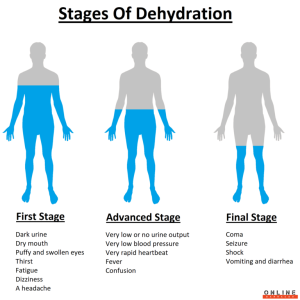
Symptoms of dehydration?
Dehydration occurs when your body loses more fluids than it takes in, leading to an imbalance that affects various bodily functions. Recognizing the symptoms of dehydration is crucial to addressing it promptly. Here are common signs of dehydration:
- Thirst: The most straightforward signal that your body needs more fluids is the sensation of thirst.
- Dark Yellow Urine: Dark urine is a clear indicator of dehydration. In a well-hydrated state, urine is usually light yellow.
- Reduced Urination: Infrequent urination or producing only small amounts of urine can be a sign of dehydration.
- Dry Mouth and Dry Skin: Dehydration can lead to a dry or sticky feeling in the mouth, accompanied by dry skin.
- Headache: Lack of sufficient fluids can cause headaches and migraines.
- Fatigue: Dehydration often results in feelings of fatigue and low energy levels.
- Dizziness or Lightheadedness: Insufficient fluid levels can affect blood pressure, leading to dizziness or lightheadedness.
- Rapid Heartbeat and Breathing: Dehydration can cause an increase in heart rate and breathing as the body tries to compensate for reduced fluid volume.
- Sunken Eyes: Dehydration may cause the eyes to appear sunken or hollow.
- Muscle Cramps: Electrolyte imbalances due to dehydration can lead to muscle cramps and spasms.
- Confusion or Irritability: Dehydration can impact cognitive function, resulting in confusion or irritability.
- Fainting: In severe cases, dehydration may lead to fainting or loss of consciousness.
It’s important to note that the severity of symptoms can vary based on the degree of dehydration. Mild dehydration can often be resolved by increasing fluid intake, while severe dehydration may require medical attention and intravenous fluids. If you suspect dehydration, it’s crucial to address it promptly by drinking water or consuming hydrating fluids like sports drinks or oral rehydration solutions. If symptoms persist or worsen, seek medical assistance.
Tips for Staying Hydrated
Crafting Healthy Hydration Habits
Embark on a journey to cultivate habits that prioritize hydration. Listen to your body’s subtle cues and integrate water-rich foods into your diet. As the saying goes, ‘prevention is better than cure,’ and in the case of hydration, consistent intake is the key.
Hydration Beyond Water
While water is the primary protagonist, other beverages contribute to your daily fluid intake. Tea and coffee, despite their diuretic properties, can be enjoyed in moderation. Make choices that align with your health goals, knowing that variety can enhance your hydration journey.
FAQs:
How much water should I drink daily?
The general recommendation hovers around 8 cups, but your unique needs depend on factors like age and activity level. Listen to your body; it often knows best.
Can I rely on my sense of thirst to stay hydrated?
While thirst is a reliable indicator, it’s essential to maintain a steady water intake, especially in warm climates or during physical activity.
Is there a link between water intake and weight management?
Absolutely. Drinking water before meals can assist in reducing calorie intake, aiding in weight management efforts.
The Finale: Prioritize Your Health Today
In this intricate tapestry of wellness, water emerges as the thread that binds every element. Its importance in elevating your health cannot be overstated. Unlock your full potential by prioritizing hydration—your body’s silent guardian.