Before we talk about acupuncture’s therapeutic properties, let us have a look at its origins and core principles. Acupuncture is one of the world’s oldest medical interventions, dating back more than 2,000 years. It dates back to ancient China, and it is still a cornerstone of TCM. This complex healing practice involves pressing the body’s tissues to regulate energy flow, or “qi,” using small, silvery needles. These needles are inserted at certain points on the body and are moved by hand or electrically. Today, acupuncture is widespread in the United States and is recognised for its healing properties.
Acupuncture was founded on the TCM principle of aligning two opposing yet complementary forces within the body: Yin and Yang. Yang is cool, slow and passive, whereas Yin is heat, vigour and activity. Healthy living is supposed to happen when these forces are balanced. This equilibrium occurs via lines known as meridians that circulate qi throughout the body. There are 12 main meridians and 8 secondary meridians, which lead to more than 2,000 acupuncture points. Although Western medicine doesn’t fully grasp acupuncture, numerous studies have proven that it has a positive effect on health.
The Art Of Acupuncture: Is It Effective?
Courtesy the National Institute of Health (NIH)The answer is yes. Acupuncture is used to treat postoperative nausea, side effects of chemotherapy, osteoarthritis, lower back pain, headaches, menstrual cramps, addiction, carpal tunnel syndrome and asthma. These investigations have revealed that acupuncture can reduce pain, promote joint movement, and support conventional medical interventions.
Anxiety about acupuncture fades when people experience its healing properties. The accepted theory is that acupuncture calms the nervous system, activating endorphins and immune cells at the point of contact. It is also believed to modulate brain chemistry through changes in neurotransmitters. Its dual impact on body and mind is perhaps one reason for its general therapeutic effects.
Also Read:
- Debunking Common Food Myths and Misconceptions
- Gut Health Revolution: How to Nourish Your Microbiome for Optimal Wellbeing in 2024
- Aging Gracefully: Tips and Tricks for Timeless Beauty
- Unlocking Weight Loss: The Ketogenic Diet Journey
- The Benefits of Regular Exercise: Enhancing Physical and Mental Well-being
Having been a patient myself, I’m well aware of the astonishing efficacy of acupuncture on chronic back pain. Acupuncture remains a complementary practice, but there is no question it is beneficial in terms of improving health and well-being.
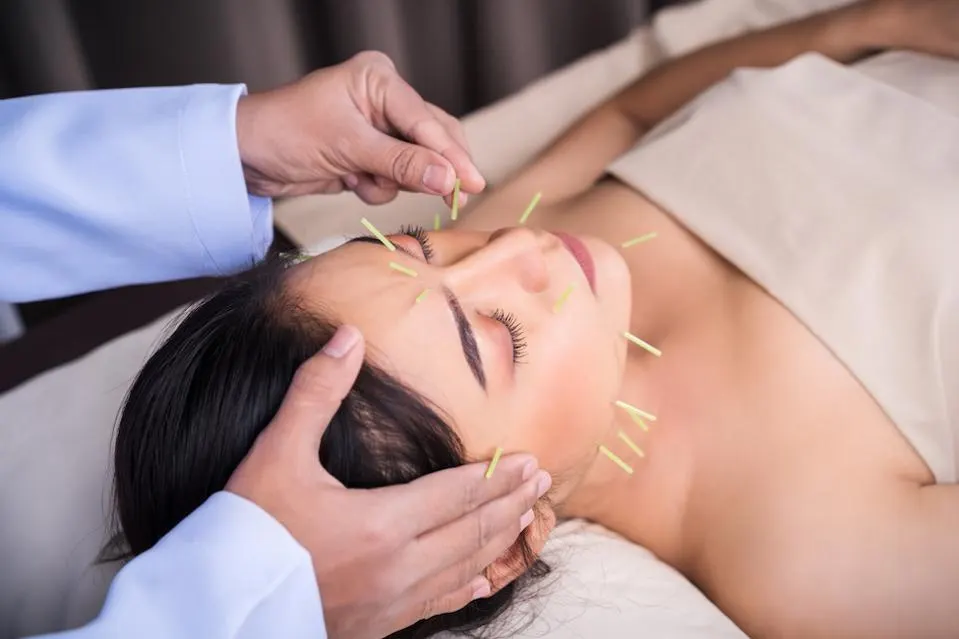
Acupuncture for the Healthy Mind: An Anti-inflammatory Therapy.
But what if acupuncture doesn’t help people with health issues? Absolutely. The practice was based on the idea that balanced qi is a key component of health. Even if you seem healthy, your energy may be disrupted. Acupuncture is also a curative tool that moves the body in and out of balance before symptoms occur. Consider it a check-up of your body, like a check-up of a car before it breaks down.
Regular acupuncture treatments can strengthen the immune system, reduce stress, and increase sleep, thereby leading to improved health. It also aids in relaxation, mental sharpness, and equanimity, making it a complete source of physical and mental health. Moreover, athletes and active people have utilized acupuncture to aid in performance and to accelerate injury recovery, thus demonstrating its versatility.
In short, acupuncture is not only used to treat disease but to promote health in general. It has a long history and a well-documented set of principles that make it a perfect addition to any health regimen. If you want relief from a specific illness or simply to have your body maintain a natural state of equilibrium, then acupuncture is a path to a more vibrant and healthy life.
Questions & Answers for Acupuncture Most Common Questions (FAQs) About Acupuncture.
What is acupuncture?
Acupuncture, a traditional Chinese therapy, uses very fine needles to stimulate the flow of energy, heal and reduce symptoms.
Does acupuncture hurt?
Acupuncture is generally painless. It’s possible you experience a slight tingling or dull ache when the needles are inserted, but most find it a pleasant sensation.
What conditions can acupuncture treat?
Chronic pain, migraines, arthritis, insomnia, digestion, anxiety, depression, etc. It is also prescribed to alleviate side effects from medications such as chemotherapy.
How many sessions will I require?
The number of sessions is dependent on the condition and response. Some recover after 1-2 sessions, others may require repeated treatment.
Is acupuncture safe?
If administered by a trained professional, acupuncture is safe. Sterile disposable needles keep infection levels low.
Is acupuncture compatible with other therapies?
Yes, acupuncture often augments traditional treatment and may increase its efficacy, especially for pain management and recovery.
Are there any negative effects from acupuncture?
Side effects are uncommon, but may include mild soreness, bruising, or dizziness. These typically resolve quickly.
What does acupuncture do in the Western medical sense?
Western medicine posits that acupuncture calms the nervous system, secreting endorphins, suppressing inflammation, and altering brain chemistry in favour of healing.
Does acupuncture combat stress and mental wellbeing?
Yes, acupuncture can relieve stress, relaxation and mental health by balancing energy in the body and calming the nervous system.
Is acupuncture suitable for everyone?
Generally, acupuncture is safe, but do let your practitioner know about any health conditions you have or medications you’re taking. Pregnant women, bleeding patients, pacemakers, and other medical conditions are advised to speak with their physician before using acupuncture.